


SEATTLE — As the Club World Cup approached, the negative press was hard to avoid. From FIFA’s demands for the broadcast rights and concern over a crowded calendar, to ticket prices and players’ share of the winnings, it had been one controversy after another.
But as we enter Day 6 of this tournament, the narrative seems to be shifting. Of the 24 matches that have been played, only three have been decided by more than two goals and two of those involved semi-pro Auckland City getting predictably blown out by European opponents.
While there remains plenty to complain about — the tournament is too expensive and the choice to play mostly in NFL-sized stadiums still seems like a mistake — I think the general consensus is slowly coming around to “this is actually a pretty cool tournament, even if it’s well short of perfect.”
I’ve now attended three matches — two as a journalist and one as a fan — and feel like I’ve gotten a pretty decent sense of how things have been going both on the ground and from more of a 10,000-foot perspective. Here are some of my observations:
Attendance has been … fine?
I think Seattle has sort of been a microcosm of the attendance picture throughout the tournament. The Sounders have drawn about 82,000 to their two games, plus about 12,000 showing up to see Argentina’s River Plate beat Japan’s Urawa Red Diamonds 3-1 on a Tuesday afternoon. That’s an average of about 31,000 per game.
Across the tournament, the average has been closer to 35,000. The top-drawing game so far was about 80,000 who saw PSG smash Atléti 4-0 at the Rose Bowl, and the worst-drawing game was the announced crowd of less than 3,500 who saw South Africa’s Mamelodi Sundowns beat South Korea’s Ulsan HD 3-1 in Orlando.
On some level, that’s pretty predictable. I’m not sure there’s a way you can ever draw big crowds to club matches between teams who don’t have global followings, and the entire premise of this tournament almost demands that teams like that need to be allowed in.
What’s worth watching is how these numbers look once we get into the knockout stages. My suspicion is that some of these games will draw well, but it could drop off as I’m not sure how many of these teams have fans who are planning to follow them around beyond the group stage.
The atmospheres have been great!
Maybe I’m over-indexing on the games I’ve attended, but all three games in Seattle had wonderful atmospheres. The Sounders’ first game against Botafogo was the rough equivalent of a normal MLS game in terms of raw numbers, but it seemed so much louder. Fans were engaged and, especially after the Sounders scored, were as loud as any game I’ve attended in the last couple of years.
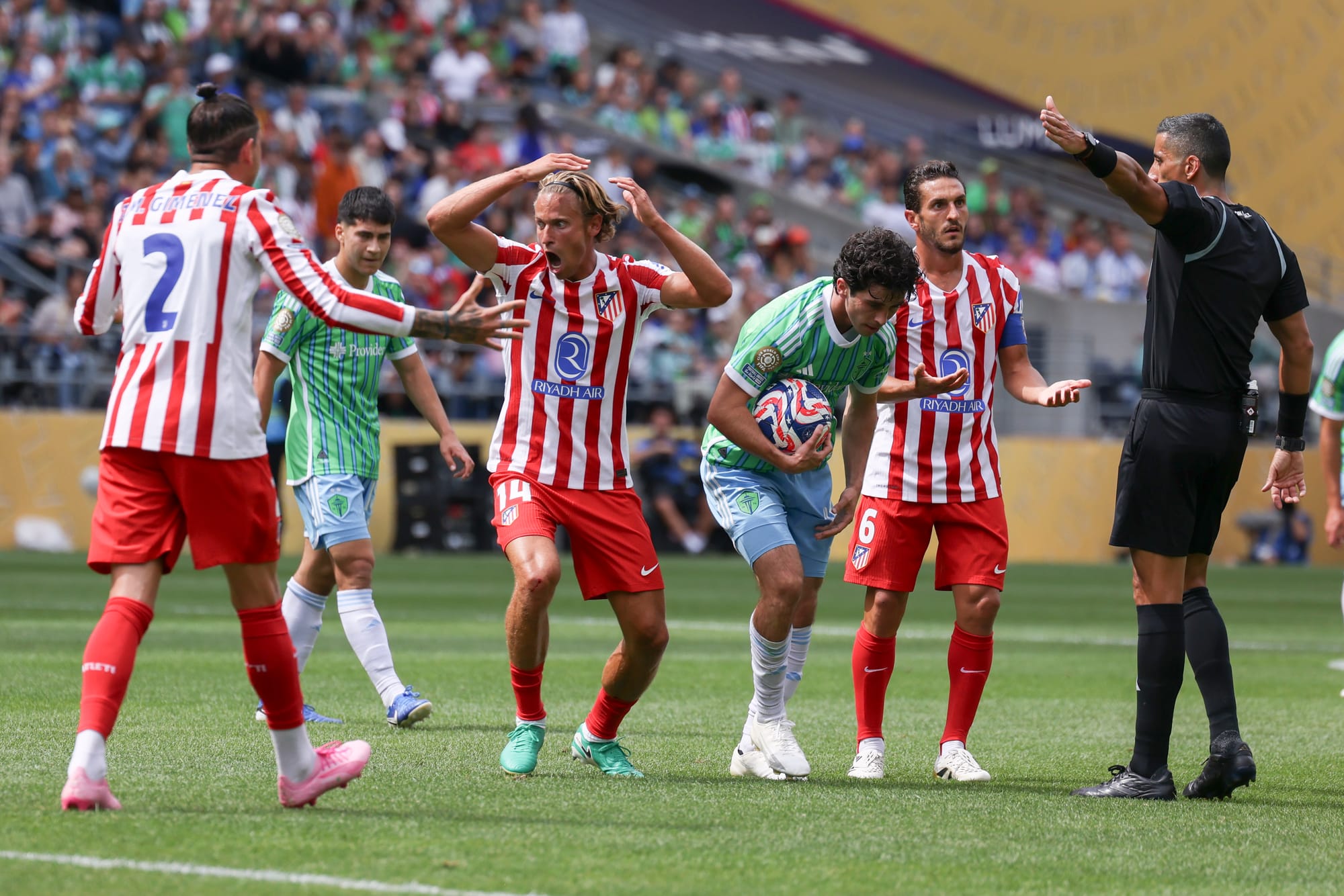
Attendance for the Atléti game was even better, with an announced crowd of nearly 52,000. That’s the biggest crowd the Sounders have had since the Concacaf Champions League final in 2022 and their highest attended non-final since 2017. Considering kickoff was at 3 PM on a Thursday — even if it was a holiday — makes that even more impressive. I’ll add that these were almost all Sounders fans, too, with only a small Atléti supporters section and not much red-and-white around the stadium.
The highlight for me, though, was the crowd at the River-Urawa match. There weren’t a ton of people there, but this is honestly what makes this tournament potentially special. Both teams’ supporters showed up in strong numbers and were about as loud as any I can remember.
I got to the stadium about 15 minutes before kickoff and was blown away at how loud the two groups were. Once inside, I was particularly awed by the Urawa supporters who were singing, chanting and moving for virtually the entire 90 minutes. Every song seemed to have a different set of coordinated hand and arm gestures to go along with it. When the opposing team had a set piece, they broke out into whistle and then went silent whenever Urawa had a similar opportunity.
Their supporters took up about six sections in the Brougham End, about double what you’d normally see in terms of organized support by ECS. It was truly a sight to behold.
The River supporters weren’t quite as organized, but they did fill up virtually the entire North End, and on any other day would have been very impressive in their own right.
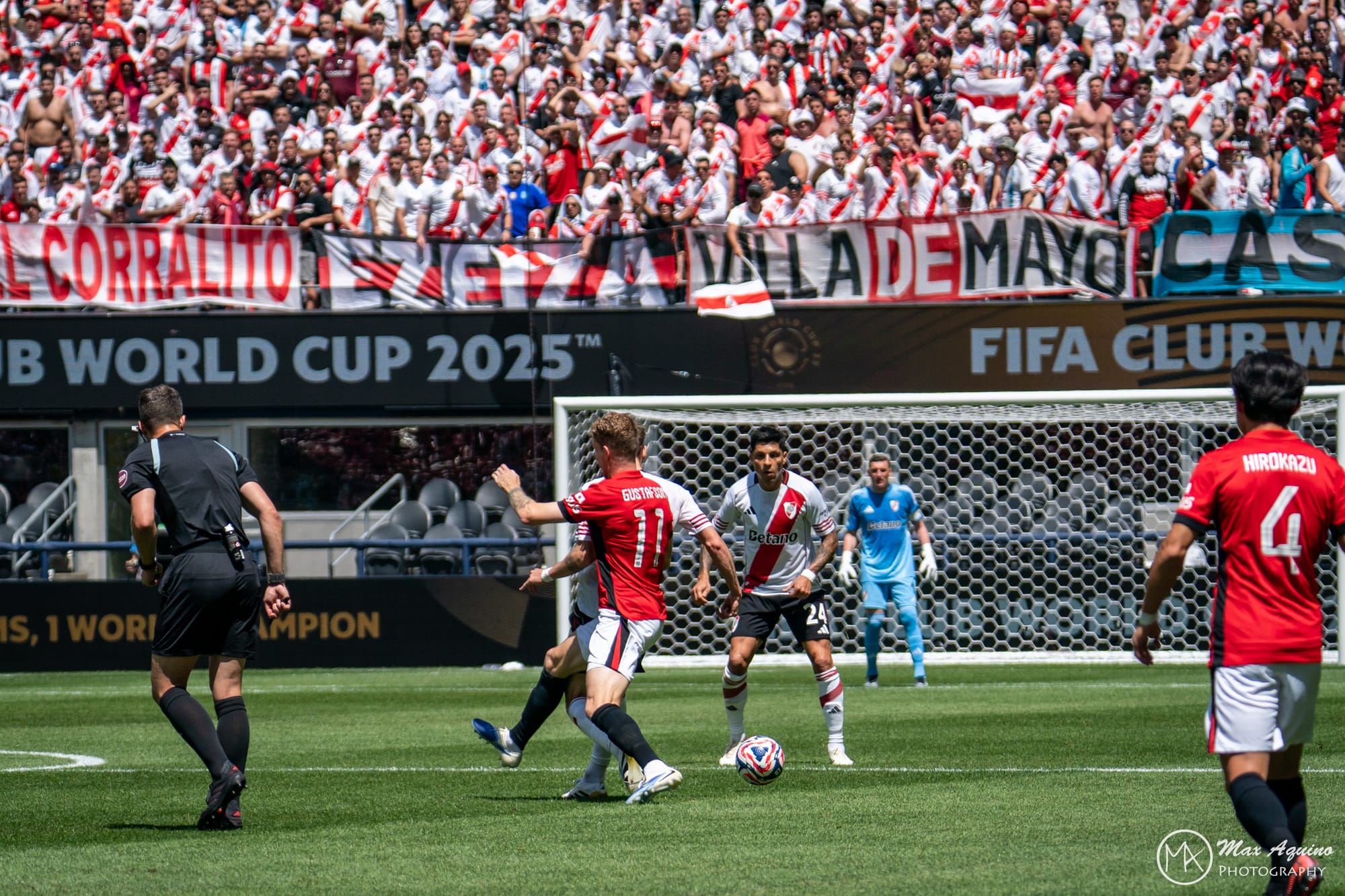
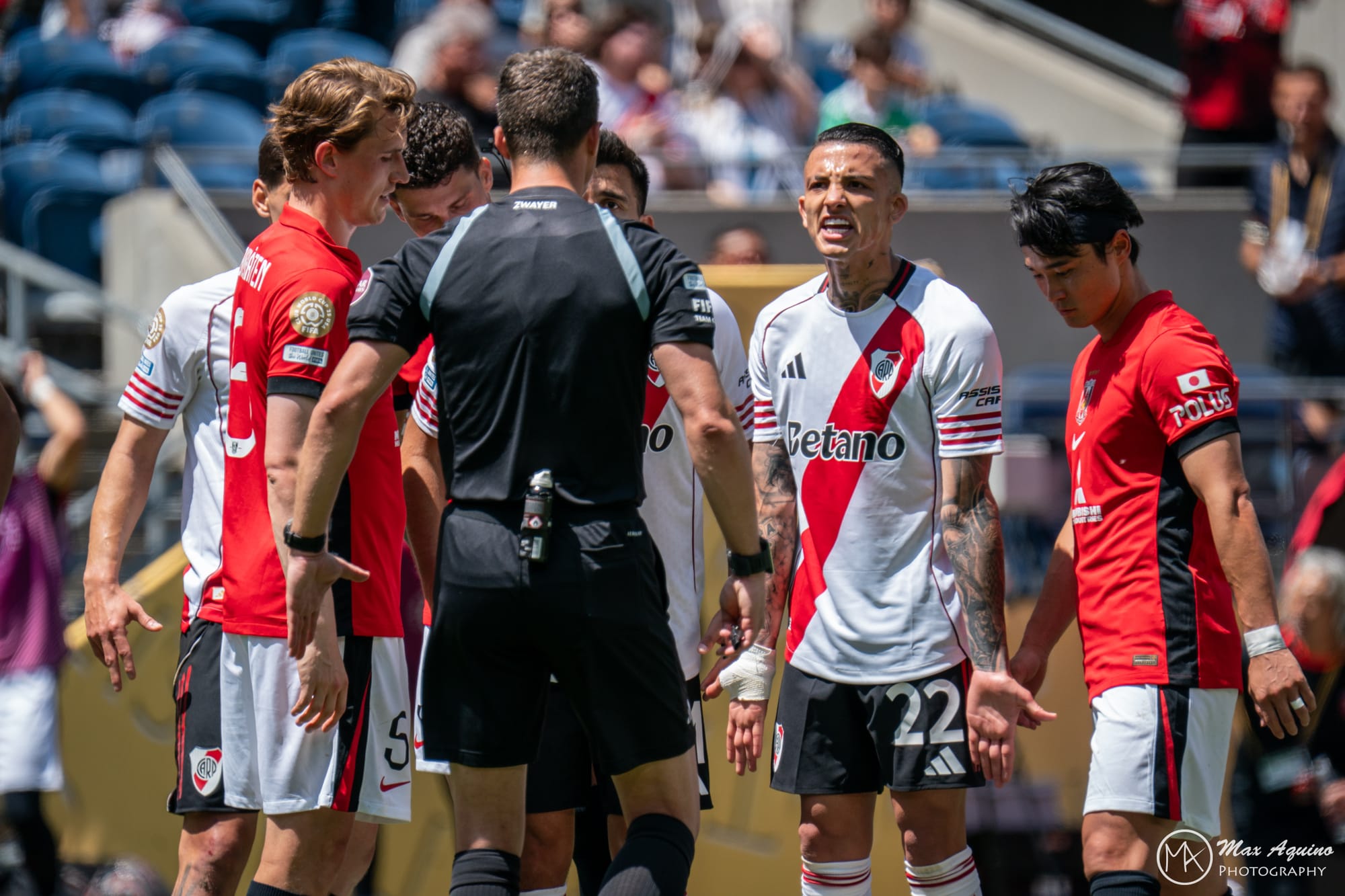
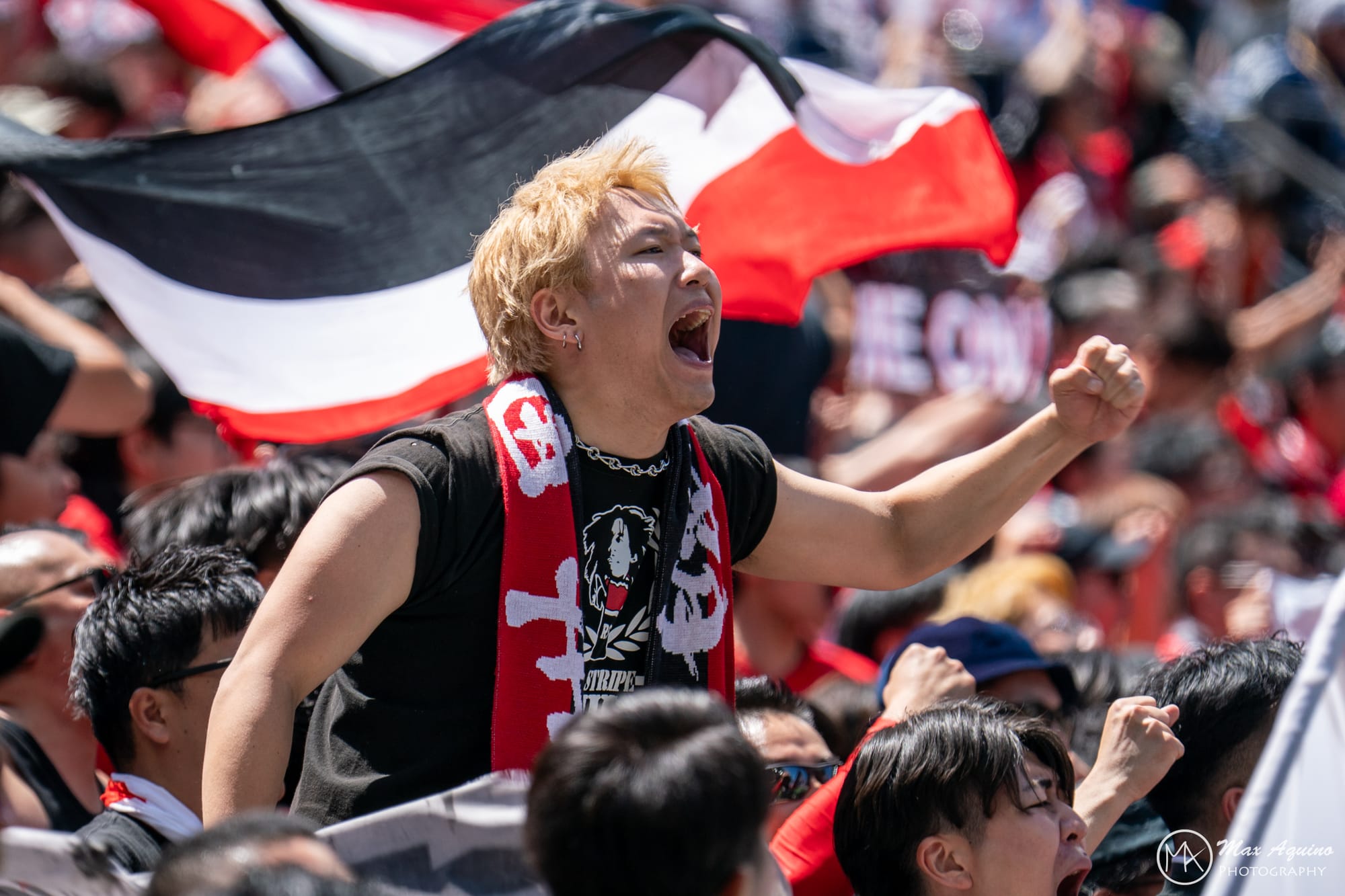
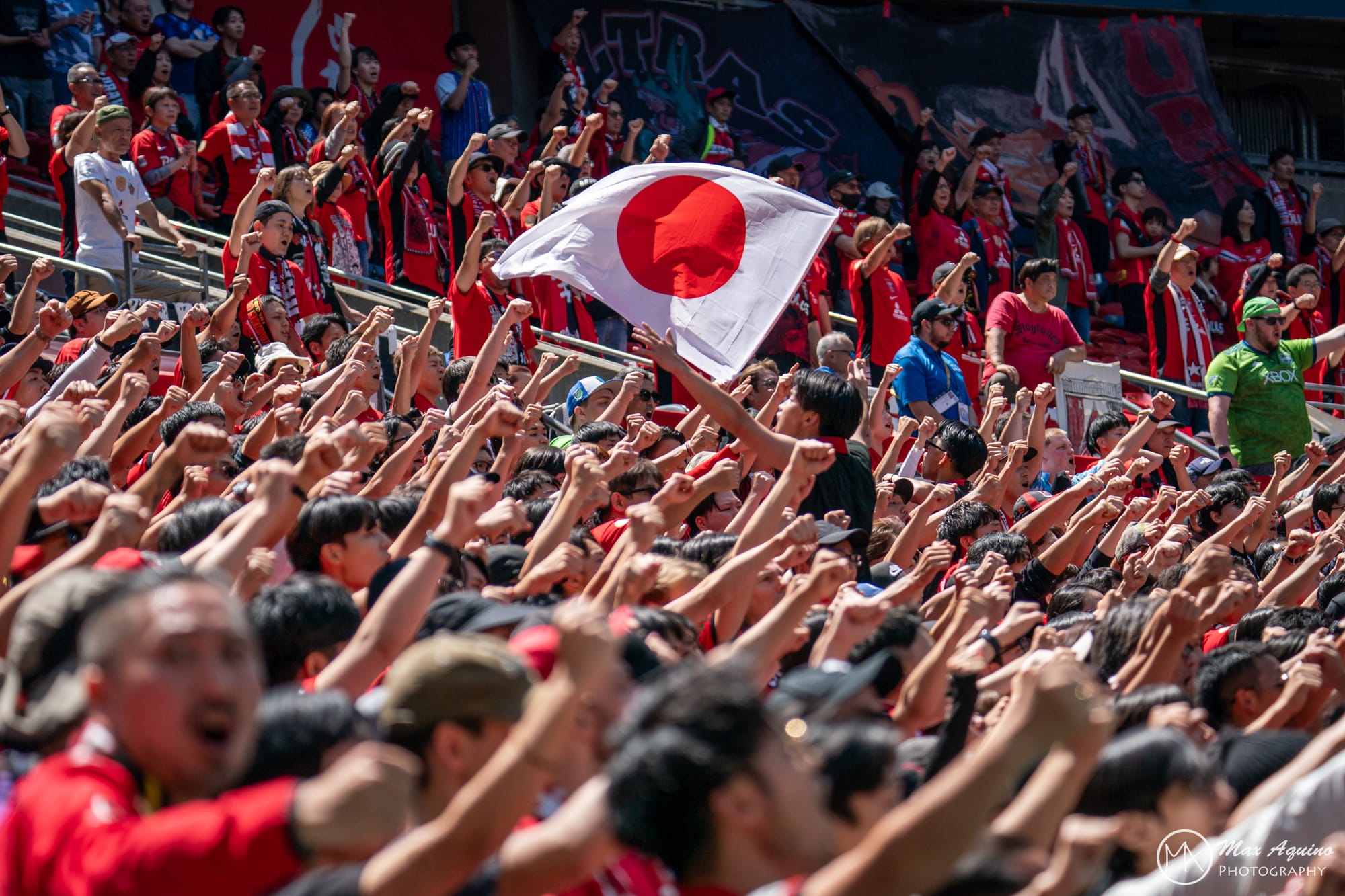
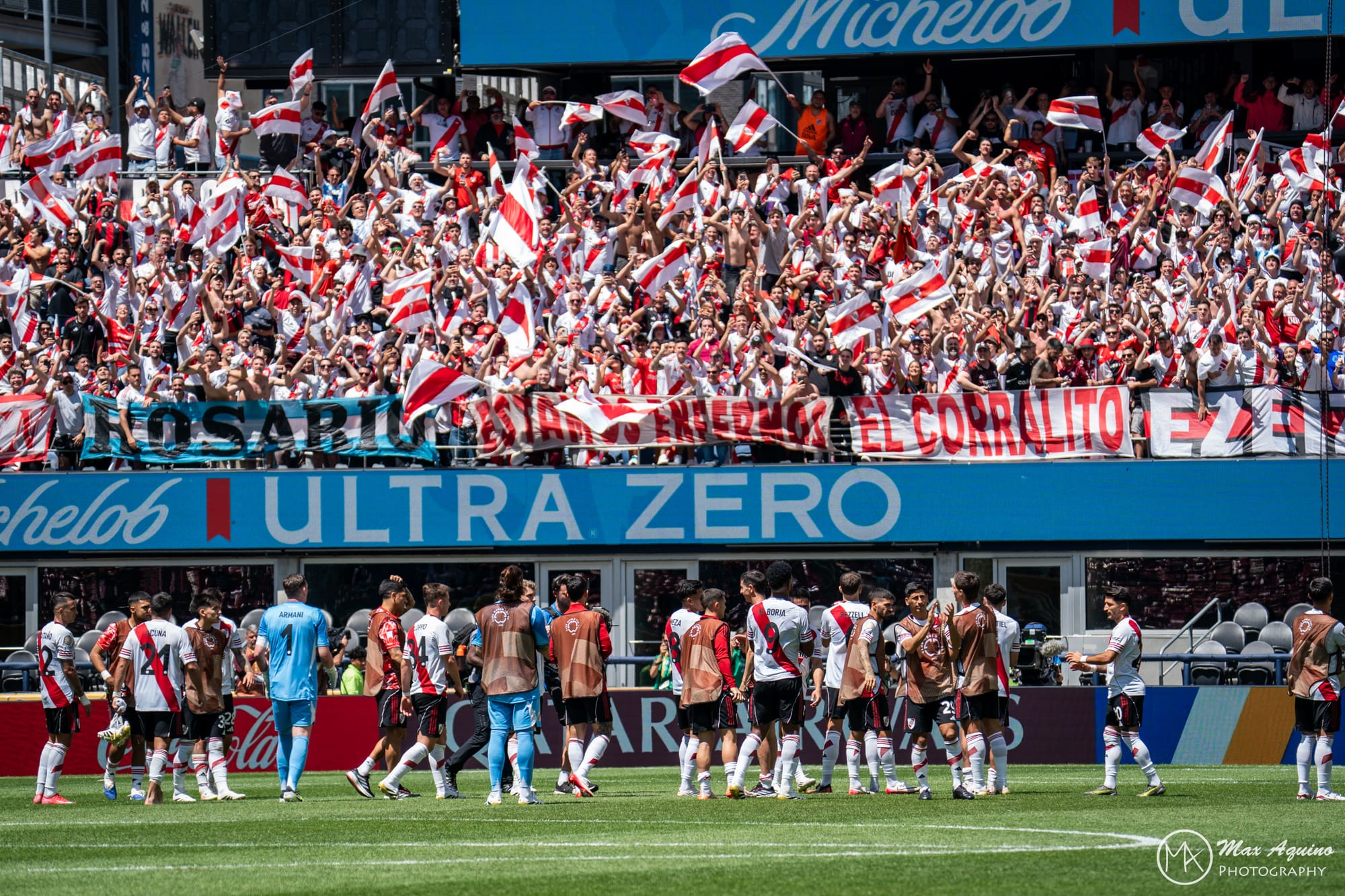

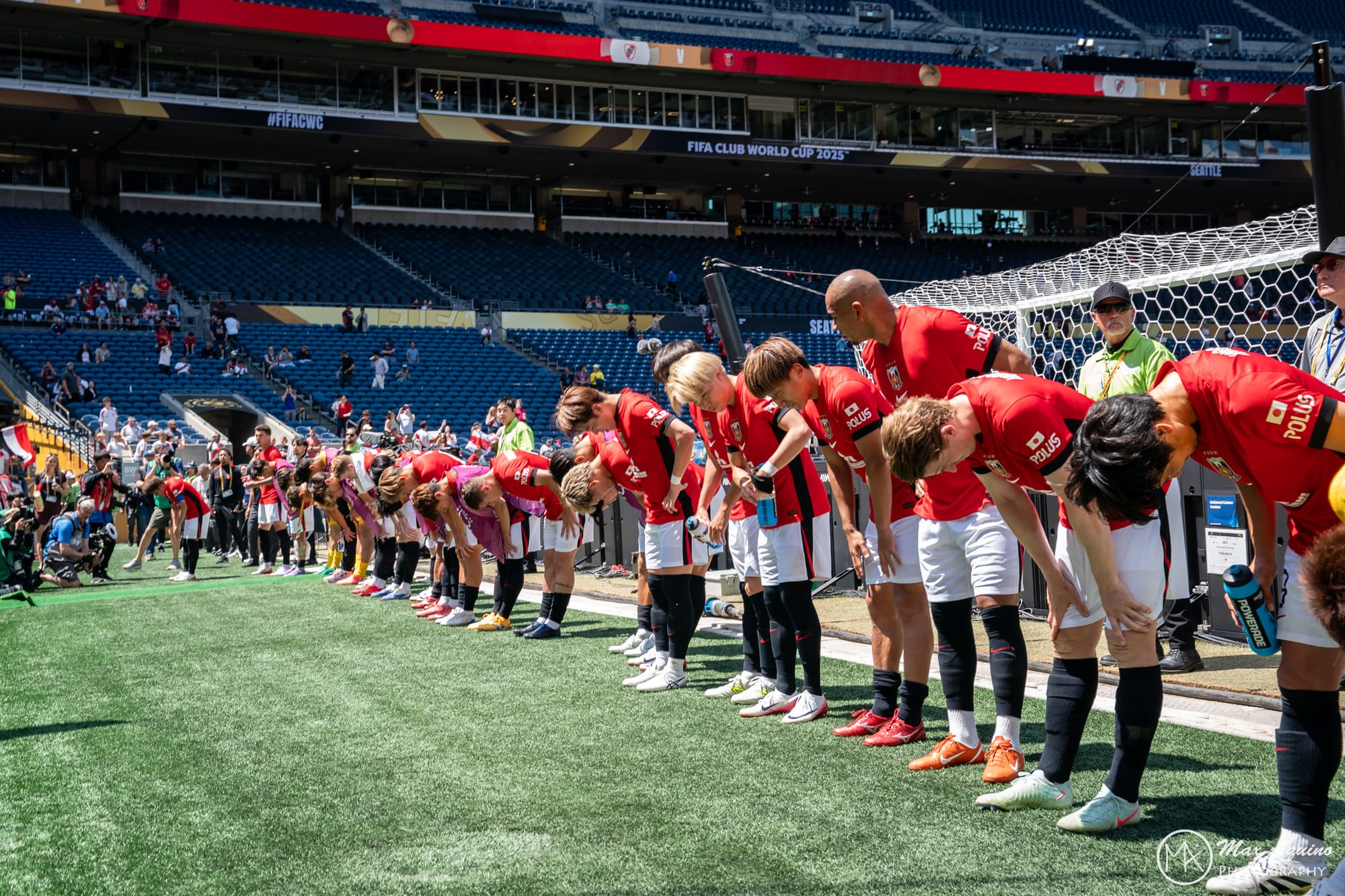
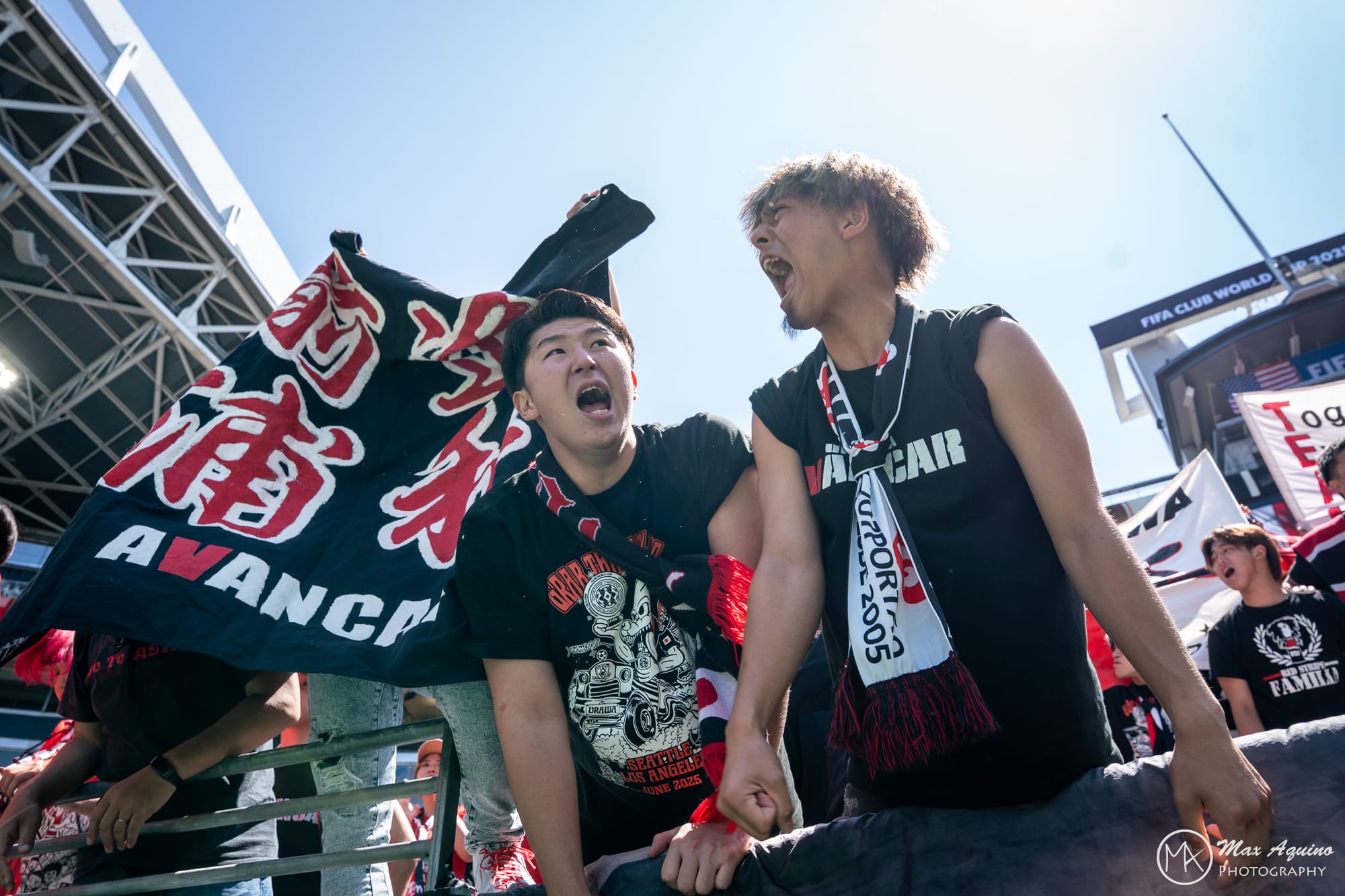
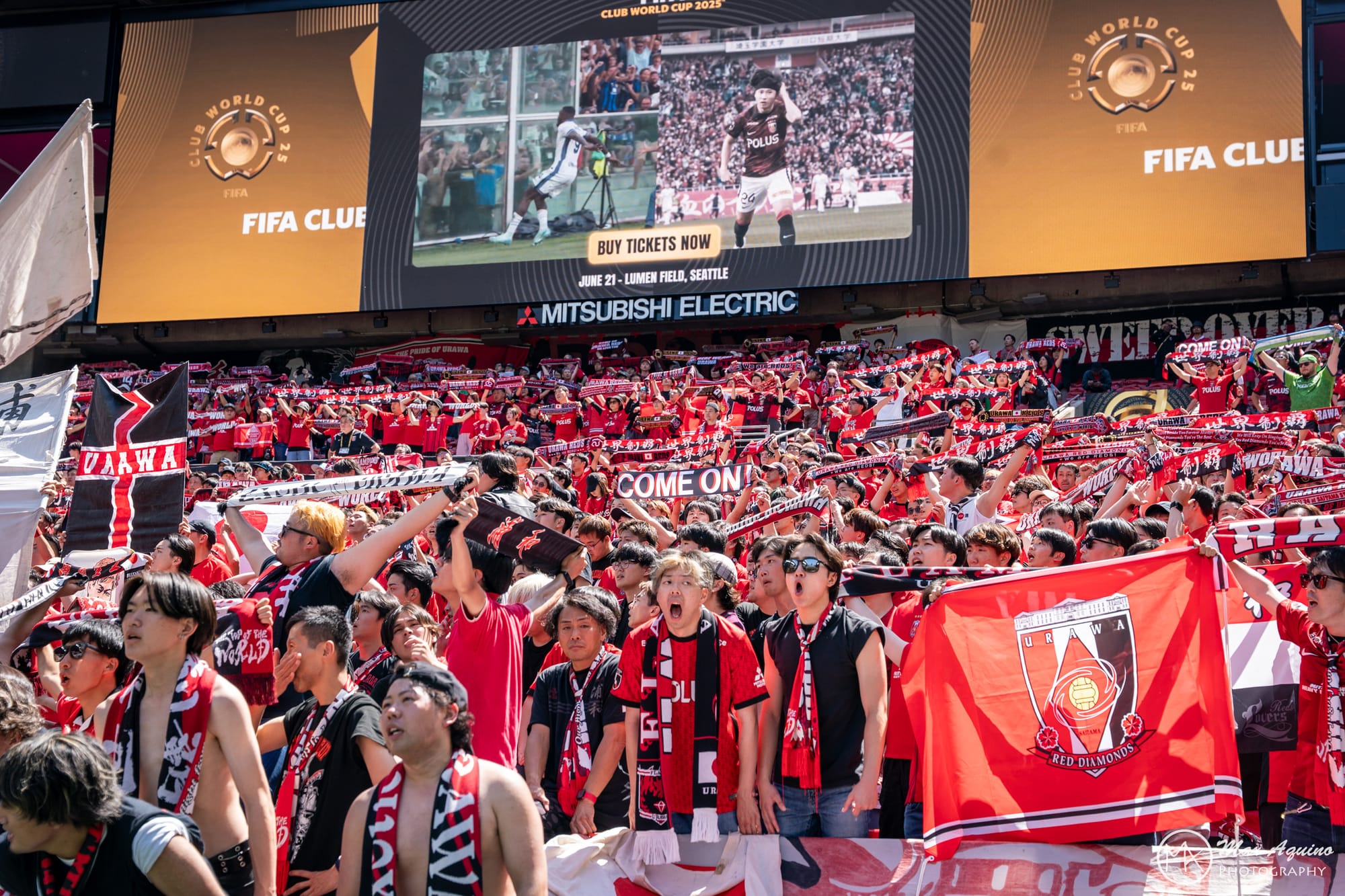
Urawa and River Plate supporters put on quite a display. | Max Aquino / Sounder at Heart
The games have been compelling
The general consensus coming into this tournament seemed to be that the European teams would mostly dominate. That really has not been the case.
Generally, the games have all been competitive but so far it’s the South American clubs that seem to have looked the best.
The six South American sides are collectively 5-1-3 and have compiled a goal-difference of 16-7. That includes a 2-1-3 record against European teams. Among their more impressive results are Botafogo beating PSG 1-0 on Thursday and Flamengo beating Chelsea 3-1. The 12 European teams are 9-3-5.
That’s maybe not entirely unexpected, but what is perhaps more of a surprise is how competitive MLS teams have been. Although Inter Miami so far has the only win — beating Portuguese giants Porto 2-1 — the Sounders and LAFC have held their own against mostly much bigger clubs.
At the very least, I think we’ve seen that the gap between the Americas and Europe has been overstated, even if the teams here are in midseason while the overseas clubs have just completed theirs.
Needs to be more accessible
I think the original sin of this tournament was that FIFA has insisted that it is the biggest and best club tournament in history. I suppose on some level that was necessary to give it some juice and to sort of swat away the detractors, but I think they also ended up writing a hyperbolic check that they were never going to be able to cash.
That showed up in the $1 billion broadcast deal demand that scared off all the normal channels like NBC, ESPN and Paramount, and even the big streamers like Apple or Netflix. That they got their money from DAZN — and that it would be shown for free — is almost beside the point in the sense that it guaranteed this tournament would be played outside the view of the more general sporting public.
Hopefully in 2029, enough sponsors are lined up that FIFA can afford to lower its demands to get the games on more of a mainstream outlet.
The hyperbolic rhetoric also sort of forced FIFA to charge premium prices for tickets, which has unquestionably softened demand. But worse than the prices, in my opinion, was the strategy FIFA employed of trying to sell the worst tickets first and holding off on selling better seats. I’m sure there’s some sort of precedent for this, but it was a particularly poor decision considering this was a relatively unproven tournament.
In the end, FIFA has been giving away thousands of tickets either at deep discounts or even for free. I think that’s likely only going to continue as this tournament moves on, unless FIFA is really ready to risk nearly empty stadiums for the more important matches.
Shake up the allocation spots
I understand the reason UEFA got 12 spots. Maybe that would have been vindicated if those spots all went to massive clubs and brought big crowds. Instead, we ended up with two Portuguese teams and another from Austria, rather than someone like Liverpool or Barcelona. I realize that Porto, Benfica and RB Salzburg are “big” in a sense that they’re successful and have large followings in their native countries, but they aren’t global clubs that are going to draw crowds wherever they go.
In addition to loosening the rules that are designed to keep one country from being over-represented — that’s why Liverpool, ranked No. 1 by UEFA, aren’t in — I would like to see more consideration given to teams in other confederations. I won’t pretend to have the perfect answer for how to accomplish that, but I do think teams from South and North America deserve more representation than they’re getting now. I’d love to see more Japanese teams, more Middle Eastern teams, more African teams.
Maybe that means a different qualifying process that looks more like the World Cup with playoffs between confederations, i.e., the fifth-best Asian team faces off against the top Oceania representative or the seventh-best South American squad plays the fifth-best team from Conacacaf, etc.
FIFA knows how to put on a show
At the start of the tournament, I was mostly OK with the potential that this would be a failed experiment. There are a lot of games left to play, but I’m much more confident that we’ll at least get a second edition and maybe even a lot more. More than that, I think I’d be disappointed if the next one isn’t bigger and better.
This was my first experience with a FIFA-run tournament and I’ve been genuinely impressed with how they operate. Put aside the ticketing issues and the extreme over-policing — which are both real and legitimate concerns — there’s a “big production” aspect to this that amplifies everything.
Some of that feels overdone — like the introductions — but there’s also an attention to detail that I appreciate. Take the grass as an example. It wasn’t enough to just roll out some sod on top of the turf. No, FIFA grew this stuff in Vancouver, imported it specifically for this tournament and made sure it had enough time settle in. After every game, they trim it and plug any holes. So far, players have mostly raved about it.
I won’t pretend as if my excitement over next summer’s World Cup remains somewhat diminished from where I was a couple of years ago, but I am more confident that it will be successful and fun, even if there are downsides that come along with it.


