SEATTLE — In the weeks and months leading into the 2026 FIFA Men’s World Cup, I told just about anyone who would listen that ticket prices were too high. As a result, either they’d come down or FIFA would be forced to deal with lots of empty seats, and maybe both.
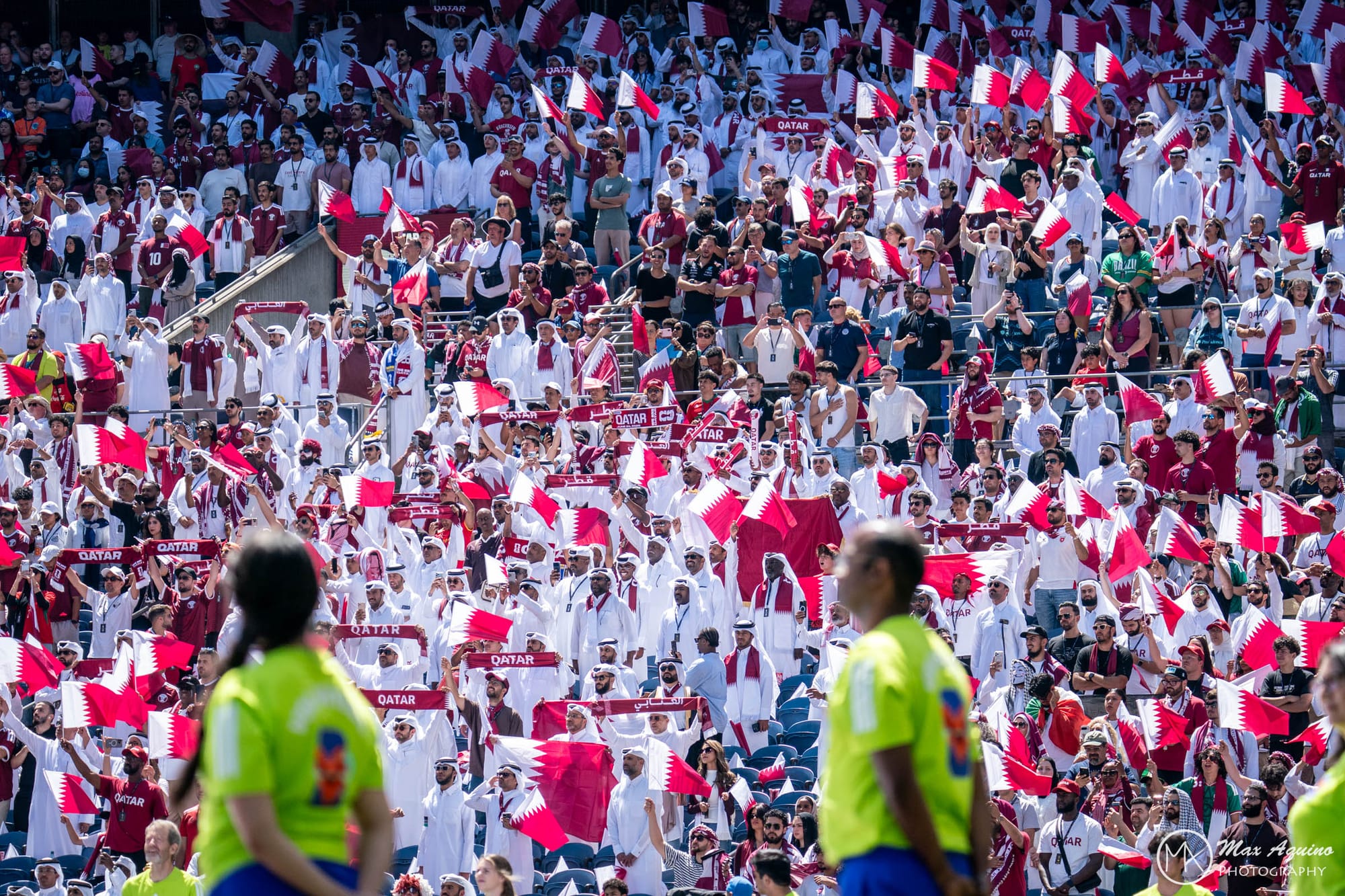
The prime example in Seattle, I figured, was Bosnia & Herzegovina vs. Qatar. Nothing against either team, but I just couldn’t envision neutrals getting excited for that game. Qatar was the worst team at the previous World Cup — despite being the host — didn’t have any widely recognizable players, and don’t exactly have a large diaspora, or even much of native population.
Bosnia & Herzegovina have a couple players soccerheads probably know and do have a pretty large diaspora — there are about 350,000 in the United States — albeit not really on the West Coast, let alone in the Pacific Northwest. They were also a late entry into the tournament, winning a UEFA playoff that most figured would likely result in Italy getting their spot.
Clearly, I made some miscalculations.
Not only was Wednesday’s game between two teams looking for their first win of the tournament a sellout, but the atmosphere was among the best I’ve ever experienced. Considering we were just treated to USA-Australia, I think that’s really saying something.
That’s due almost entirely to the BiH supporters.
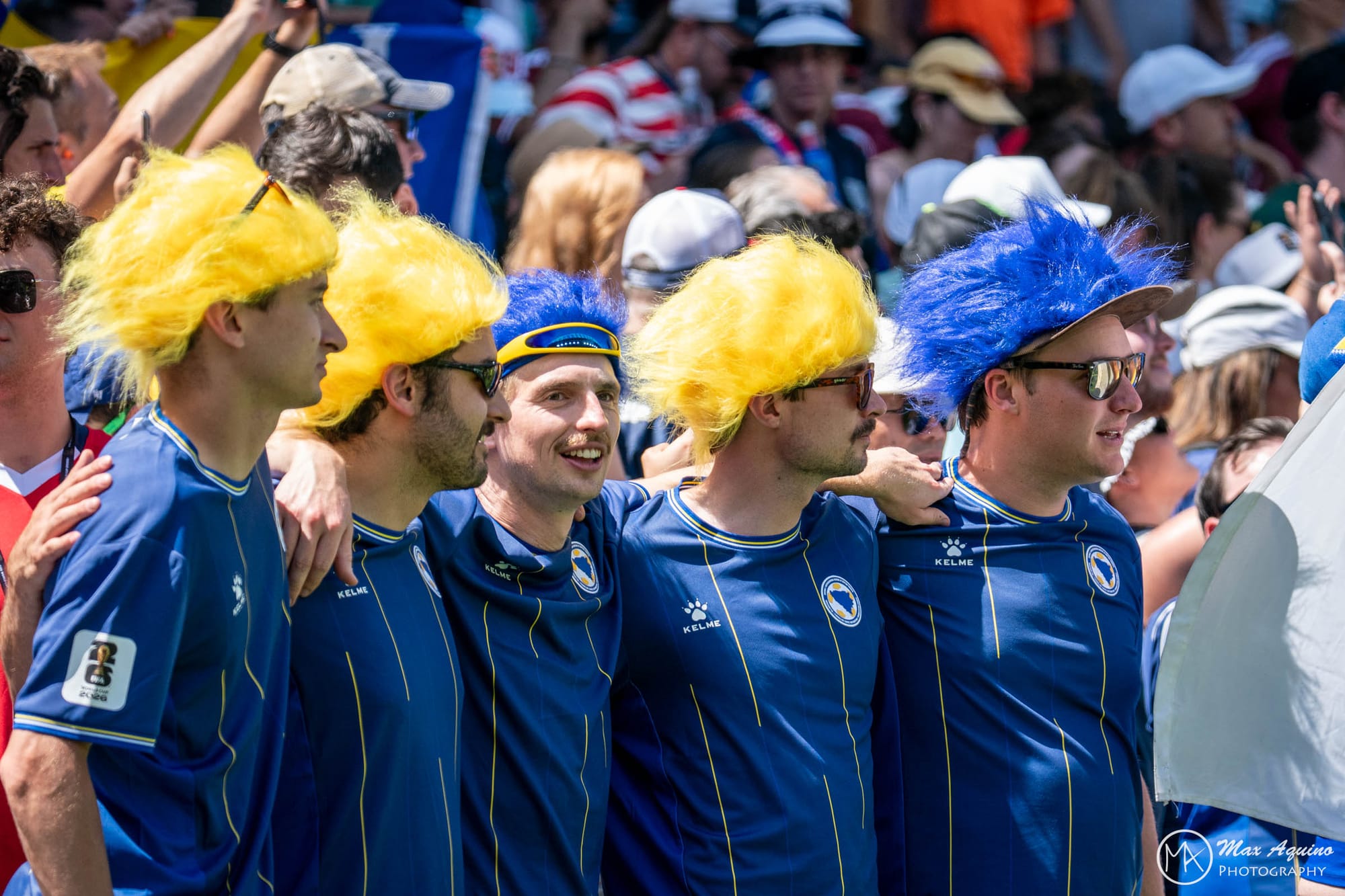
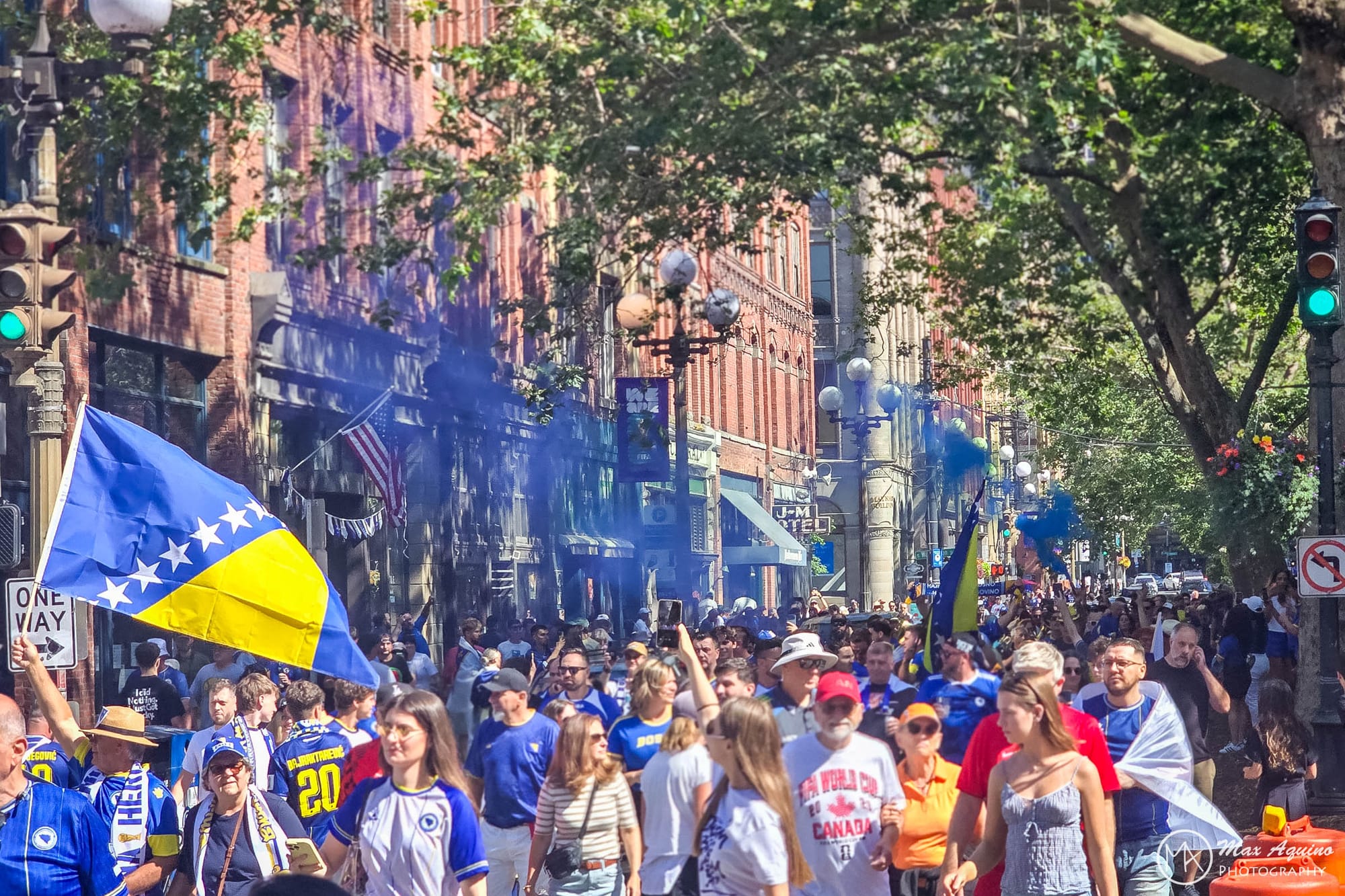
Walking into Pioneer Square two hours before kickoff, I was blown away at the number of fans clad in the blue and yellow of Bosnia & Herzegovina. But that was only a warmup.
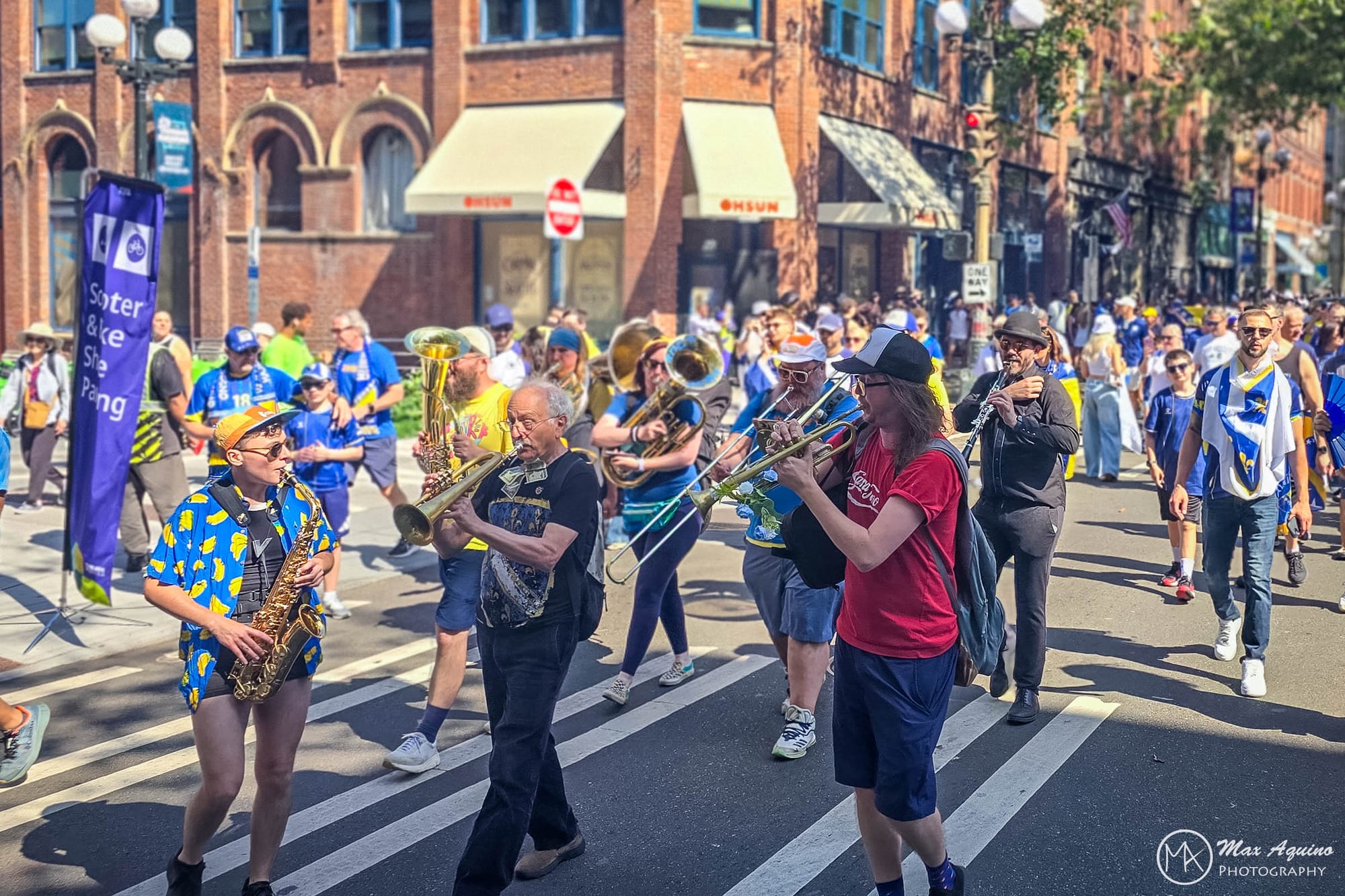
A few minutes later, I heard the march starting to make its way to the stadium. I quickly made my way to the corner of Jackson and Occidental where I was enveloped in a sea of blue and yellow. What started with thousands of fans on the Seattle Waterfront was now snaking its way through Pioneer Square. By my count, it took a full 15 minutes to pass through my intersection. Along with the usual chants and songs, there was even a band playing toward the back. At one point, someone in a Mexican jersey stuck his head out a bordering window, blowing in a horn. The marching fans responded with chants of “Mexico, Mexico.” It was an overwhelming positive vibe.
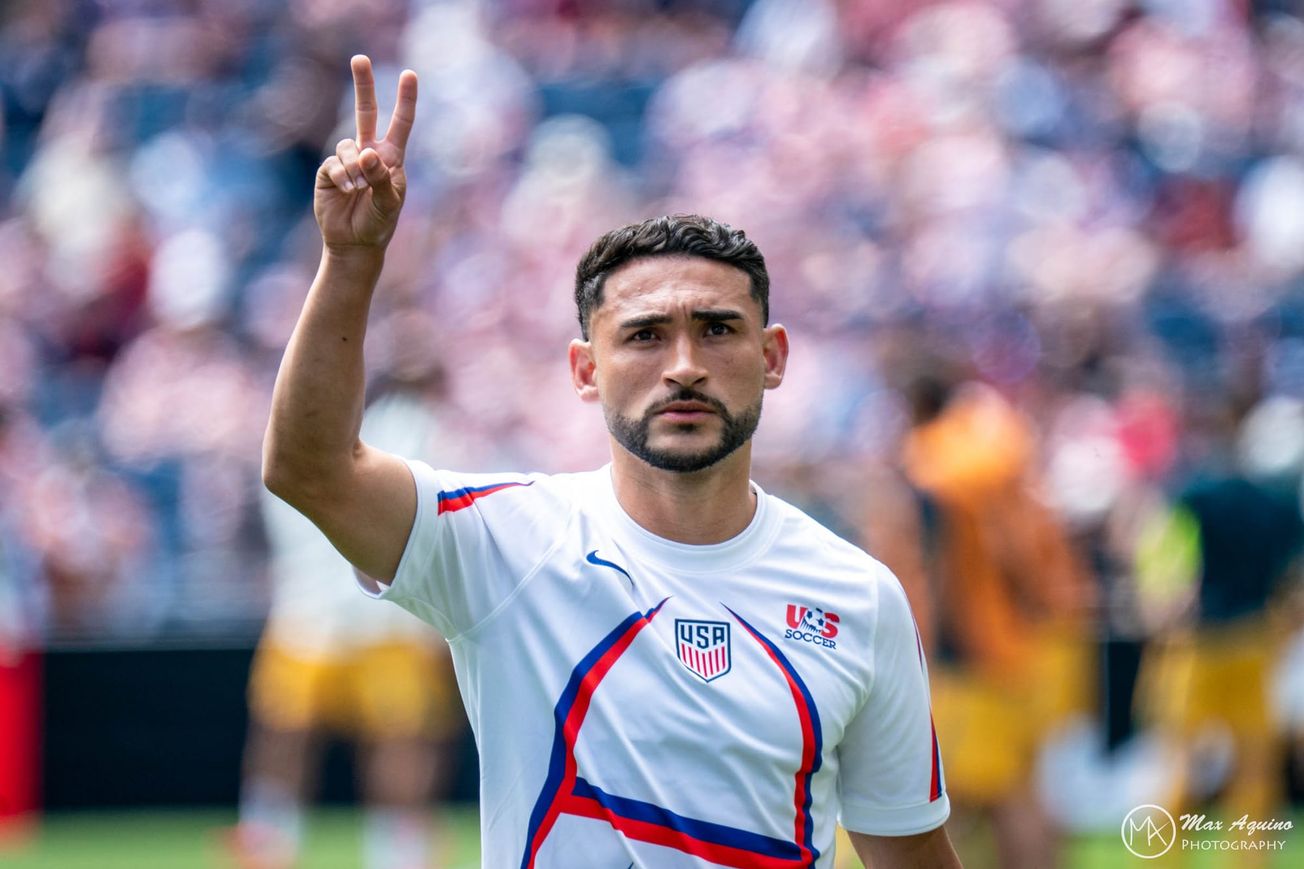
Photos by Max Aquino / Sounder at Hear
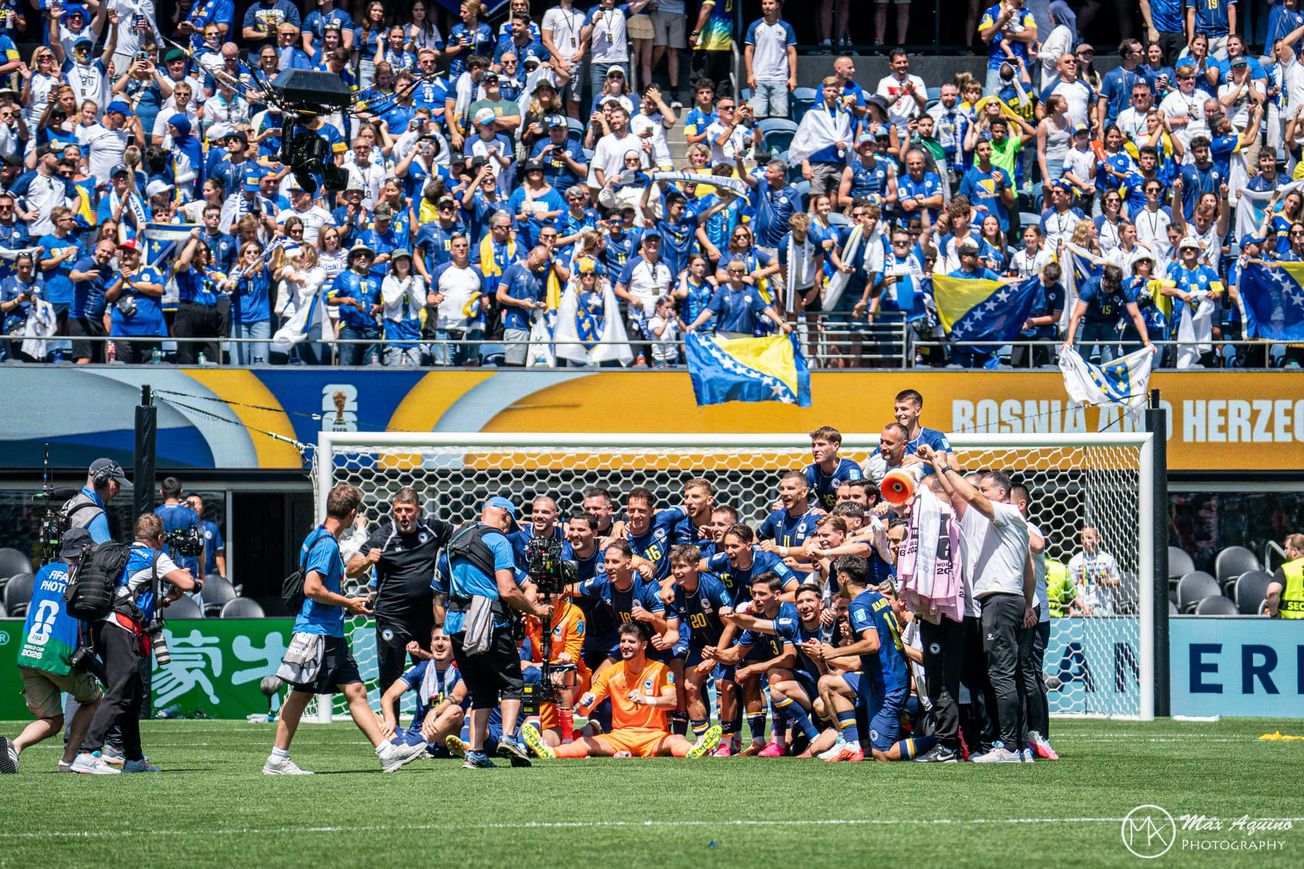
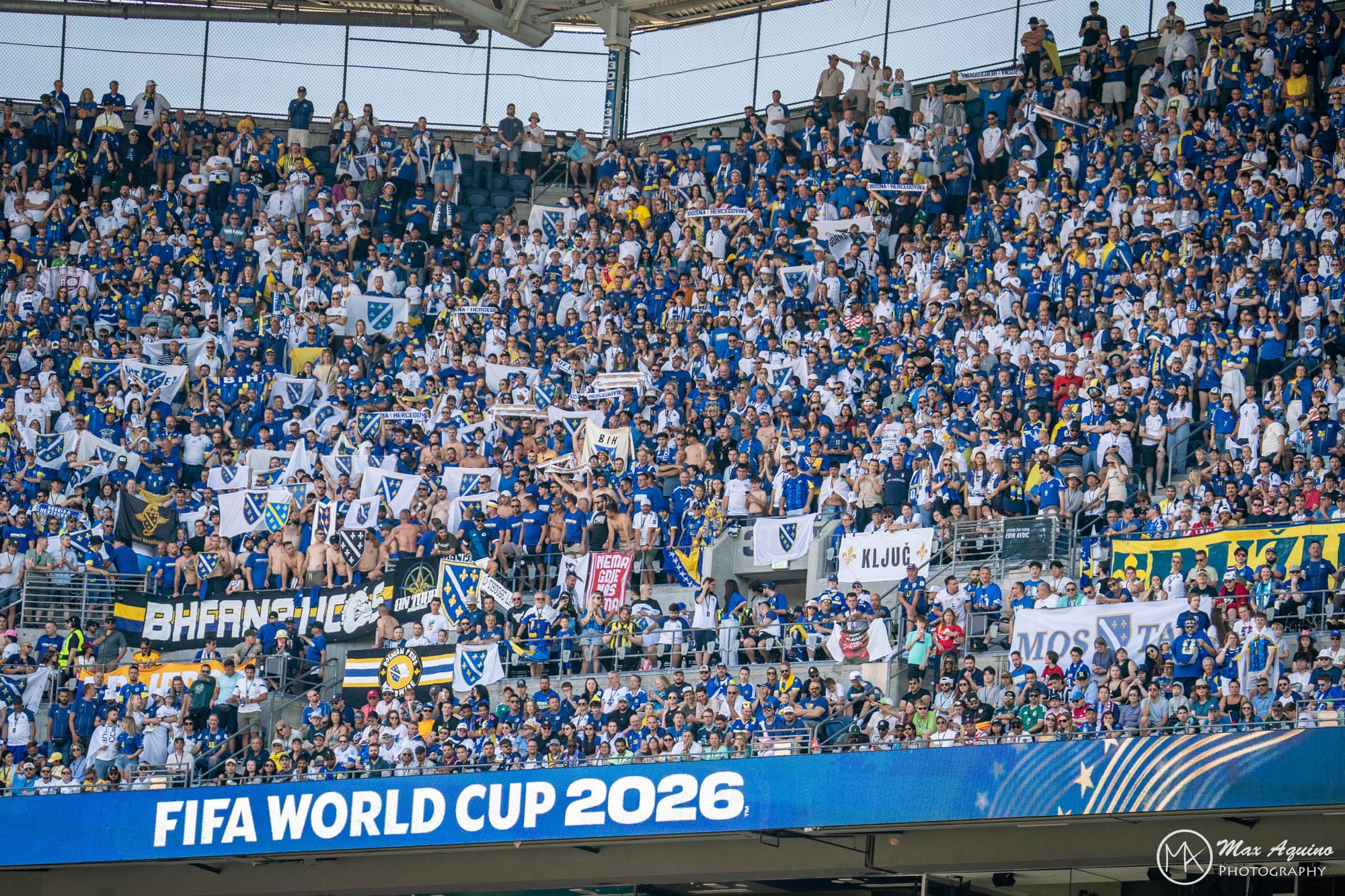
Somehow, the massive march underplayed the true breadth of Bosnian support inside the stadium. In addition to the large swaths of supporters — including one group in the northeast 300 sections called “BHFanatics” that was chanting throughout the match and was mostly shirtless by the end — there was absolutely no doubt whose team elicited the bigger cheers. When BiH scored the opener, the eruption rivaled anything we heard at the USA-Australia game the previous Friday. It was the same when they scored their second and third goals to ultimately clinch advancement to the World Cup knockout stage for the first time in the country’s independent history.
What really blew me away, though, was what happened after the final whistle when a song I didn’t recognize played over the loudspeaker. I was quite obviously in the minority as seemingly the entire stadium joined in the chorus. I later learned that it was “Ljiljani”, a song by Bosnian folk singer Halid Bešlić that has apparently become the unofficial anthem of supporters. It was among the most powerful moments I’ve ever experienced as a soccer fan.
If the USA-Australia match provided me the unexpected opportunity to feel the type of patriotic pride I rarely allow myself, it was moments like this that I dreamed of experiencing when it was announced that Seattle would be among the World Cup host cities. More than getting to see world famous footballers at the top of their game, it’s expressions of collective joy that attracted me to international football in the first place. It’s a reminder that no matter how hard any organization or government may try to create obstacles and conflicts, people want to come together.