Before the 2026 men’s World Cup actually started, a lot of bold projections were being shared. Perhaps the most prominent was that the six matches being played in Seattle would be the rough equivalent of hosting six Super Bowls.
The idea wasn’t just that the stadium would sell out, but that the games would bring lots of ancillary attention. Officials were projecting that more than 750,000 people would visit for the World Cup.
I was definitely skeptical, and not just because I found it amusing that FIFA's tactics might backfire spectacularly. Fueled by a host of travel restrictions and wildly expensive tickets, hotels and Airbnbs were reporting higher-than-anticipated vacancy rates, even lagging behind previous summers. Weeks before the tournament started, ticket prices were coming down as well, which seemed to suggest the demand was softer than projected. I don’t think I ever thought that the World Cup would end up being a flop locally, but there was just no way it was going to live up to the hype.
With four group stage games under our belts and ahead of two knockout stage matches, I can admit that I was wrong. Honestly, I’m thrilled.
Obviously, that's not because FIFA's tactics have been largely justified. No, I’m mainly just happy that Seattle has shown through almost exactly in the ways that I thought it would, just with a lot more people participating.
Consider some of the data that Seattle's Local Organizing Committee just shared:
- The four official Fan Celebrations have drawn a combined 750,000 visitors* between June 15–27.
- SeaTac has enjoyed three of is busiest days ever, with about 1.2 million passengers passing through over the past three weeks.
- Local transit agencies have reported 1.1 million combined riders during the first two World Cup match days alone, and have repeatedly smashed single-day records.
- Lime riders have taken 675,000 trips in Seattle during the group stage.
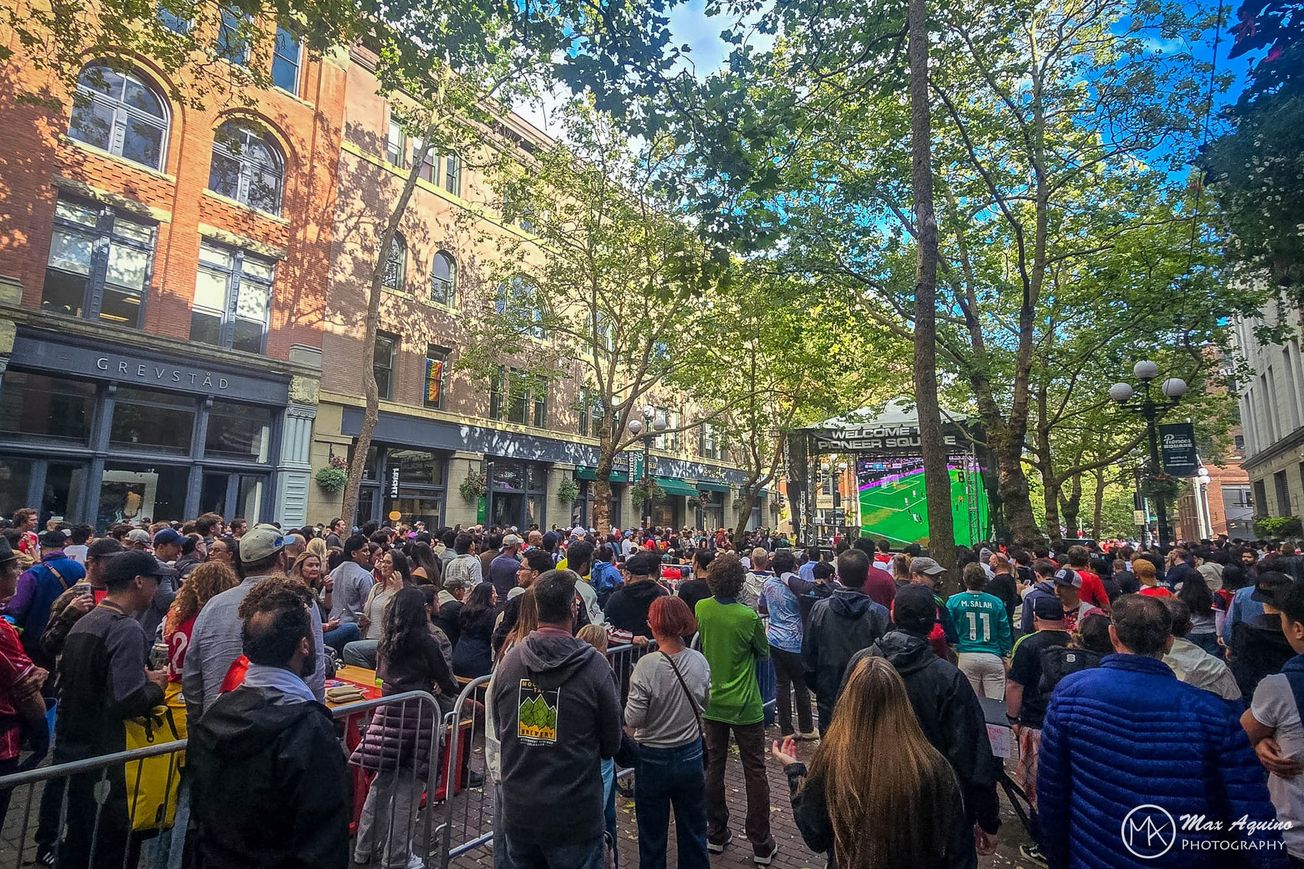
- There have been 625,293 total visits recorded at Waterfront Park from June 11–27, which includes a record of nearly 85,000 visits on the day of the USA-Australia match. There were another 149,800 visitors to Pioneer Square that day, the most the Downtown Seattle Association has ever recorded since they began tracking in 2019.
- The Chinatown-International District hasn’t quite seen the bump many had hoped, but they are reporting a 10% increase in pedestrian traffic.
Even if some of these numbers are a little hard to believe – I’m struggling to understand how that many people have visited the Fan Celebrations when two of them aren’t even open every day – I think they ably illustrate what many of our eyes are seeing.
I knew that once people came to Seattle in the summer, they were likely to be smitten. The waterfront was rebuilt with exactly this kind of gathering in mind. It’s almost impossible to imagine now, but it was less than a decade ago that a freeway marred the views from downtown to Elliott Bay and even more recently that construction made walking from the ferry terminal to Lumen Field largely unpleasant.
We’ve dramatically improved our bike and transit infrastructure during this same period. It’s now possible to get downtown from much of the city while using mostly protected bike lanes or frequent transit.
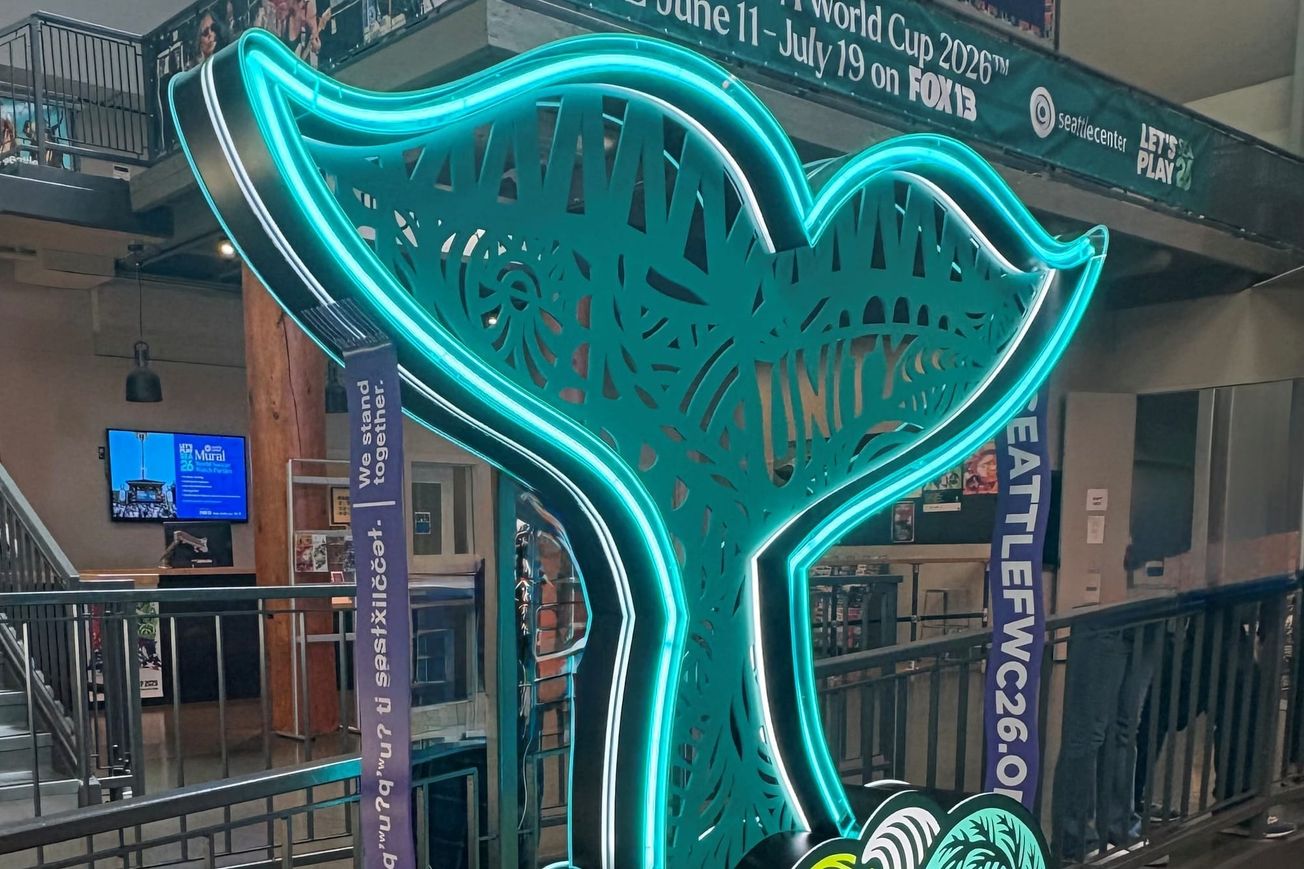
While the decision to scale back the Fan Festival that was planned at Seattle Center seems to have been mostly about money, it’s also hard to ignore that it has helped spread crowds around the stadium and honestly made it feel far more organic. The scenes at Brick Park – the event space Hometeam created in Pioneer Square on Occidental Avenue – has probably been the unexpected highlight of this tournament, as fans gather there before, after and especially during games, even if they aren’t being played locally.
The best part is that most of this is the product of permanent infrastructure and was mostly planned independently of the World Cup. Even the temporary stuff – like pedestrianizing much of Pioneer Square or allowing for "sip-and-stroll" zones – could easily be recreated in the future. Seattle is not going to stop being an amazing city when the World Cup leaves town.
Of course, it has helped that basically every match day has given us unseasonably perfect weather. That there are few places in the world better than a Seattle summer is fixing to no longer be our best-kept secret. Those picturesque views of Lake Union, sun reflecting off the water as boats dot the area, are about to be the image of Seattle. (That said, we locals should be diligent about reminding visitors that it’s not actually like this all year-round…)
The best part is that we still have two more games and then a whole bunch of tournament after that. Seattle has proven itself to be the soccer city we always knew it was and is putting its best foot forward.