INGLEWOOD, Calif. – David Letterman called it a “space station” when he took part in one of the venue’s first events, back in 2021.
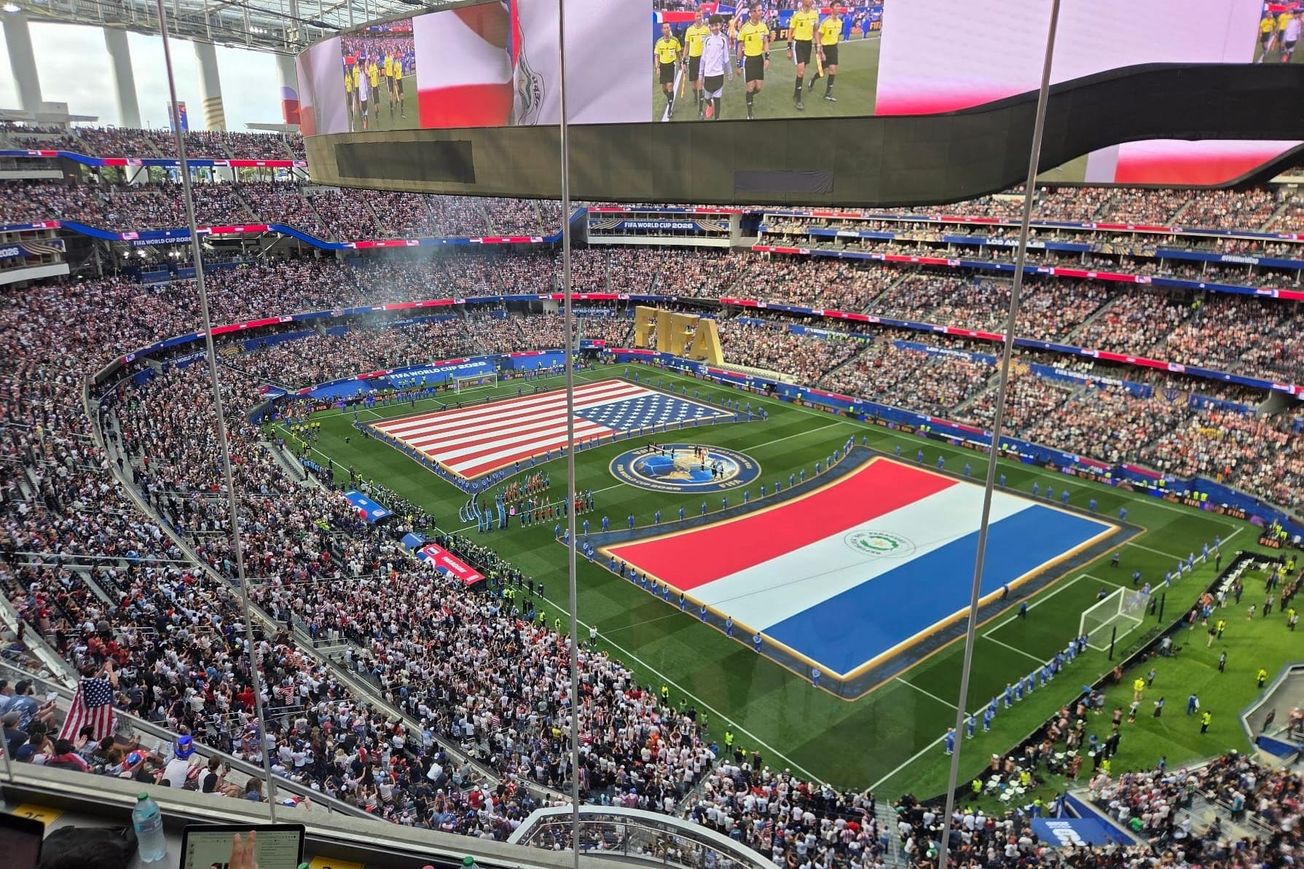
The Guardian’s veteran sports columnist Barney Ronay, who’s covered many of world soccer’s biggest events over the past two decades, described it as “amazing … probably the most beautiful stadium I've been to in a long time” after covering the US men’s national team’s 4-1 defeat of Paraguay there, coining a rather memorable phrase about it:
“The stadium here is stunning, all swooping lines, cooling fountains and funnelled breezes, a place that looks like it was designed by people in robes on some far-flung Star Trek planet. It really should be staging the final, even if it will still cost you a scandalous $23.50 for a beer on the concourse.”
We’re talking about SoFi Stadium here, though for the duration of the 2026 World Cup, FIFA has insisted on renaming it Los Angeles Stadium, and is apparently quite prepared to lawyer up on anyone of note attempting to resist. It is indeed a jaw-dropping place to experience in person, with a $5.5 billion price tag, room for 70,000 spectators and space to expand to 100,000, built on concepts found at few other grounds on earth.
Ronay’s not too far off, either. Conceived and financed by Colorado Rapids owner Stan Kroenke for his Los Angeles Rams, this place really was built to catch and channel the breezes that flow in from the nearby Pacific Ocean, usually from northeast to southwest, in what its designers have dubbed a ‘passive air system.’ In fact, there’s no conventional air conditioning in the open space where the games take place.
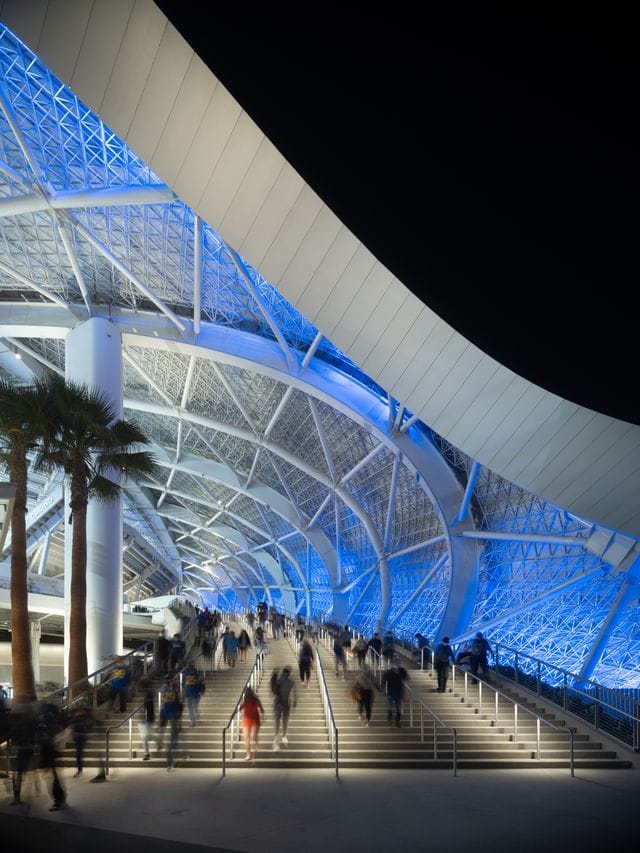
Just as the enormous, sweeping roof, made primarily of space-age ETFE (ethylene tetrafluoroethylene), which becomes an enormous screen for advertisements and other images that can be seen from planes taking off and landing at nearby Los Angeles International Airport, isn’t actually a roof. It’s a canopy, fully freestanding from the seating bowl underneath, as well as the adjacent 6,000-seat theater and the sunny, open plaza between them, all of it engineered to weather seismic activity, and with all conditions, right down to dew point, electronically monitored and adjusted in real time by a ‘BAS,’ or building automation system.
The place is dotted with palm trees and other native-vegetation landscaping which reflects the state’s five biomes: chapparal, grasslands, desert, coniferous forest and aquatic wetlands, artfully contoured to offer different paths and sightlines into the venue. With ducks, gulls, even pelicans flocking around a six-acre lake outside which collects and recycles stormwater, SoFi feels almost park-like, a far cry from the vast expanses of bleak asphalt common at other stadiums of its scope.
Inspired by the canyons and ravines that dot the region, the design “allows for the prevailing winds to naturally ventilate the space,” explained Michelle Stevenson of HKS, one of SoFi’s lead architects, to Sounder at Heart – so much so that some guests get surprised by the extent of the airflow under the warm Southern California sun, albeit with the occasional complaint of hot spots in certain sections when under direct sunlight.
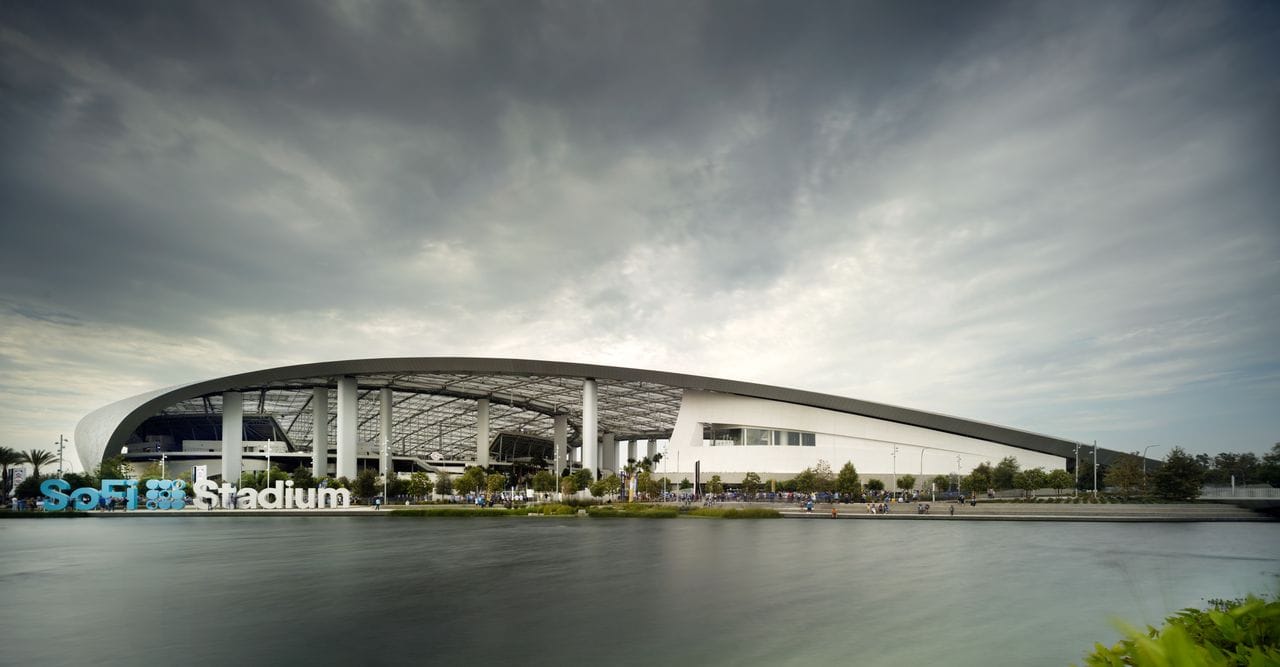
“As the winds come through, you still need to bring a jacket. People forget that this is an exterior space in here, so there is that natural cooling effect,” she added. “There’s also 60 hatches up above [in the ETFE canopy] that do open; they slide open and allow for that stack effect, for that ventilation, if there was heat trapped in here.
“It really is an ode to the environment.”
Built on the site of the old Hollywood Park horse racing track, which has passed its name to the wider site of nearly 300 acres, which includes the Kia Forum, Intuit Dome and several other features, SoFi’s location just three miles east of LAX necessitated it to be dug deep to keep it from interfering with flight radar. So the field surface sits 100 feet below grade, requiring the excavation of 7 million cubic yards of dirt.
Stevenson and her colleagues shifted around the usual amenities to foster not just airflow, but the movement of spectators, who can walk into plenty of ‘wow’ moments when they arrive at the multi-layered concourses that offer sweeping views of the field, and the 70,000 square-foot, 1,100-ton oval video screen above, dubbed the ‘oculus.’
“We removed the restroom and concession elements, especially on the upper concourse, so that they are not tucked under the seating bowl – which is a traditional kind of thing that you see in arenas, mostly, in some stadiums,” explained Stevenson, a soccer aficionado who played on the club team at Rice University in her college days.
“That's an efficient place, but the reality is that we’ve actually pulled those away, pulled them out, and that allows for the air and the breeze to come through, but also allows for a person to hear and be engaged with the game, and really there’s no acoustical barrier.”
The NFL facility is hosting USMNT-Türkiye tonight, Canada vs. South Africa in the knockout stages, another round-of-32 fixture which at present looks most likely be Spain vs. Austria and a quarterfinal duel on July 10 that will involve the United States, should they advance that far. Of all the massive, gleaming venues welcoming visitors from across the planet this summer, this one might just be the most dazzling, and the most technologically sophisticated.
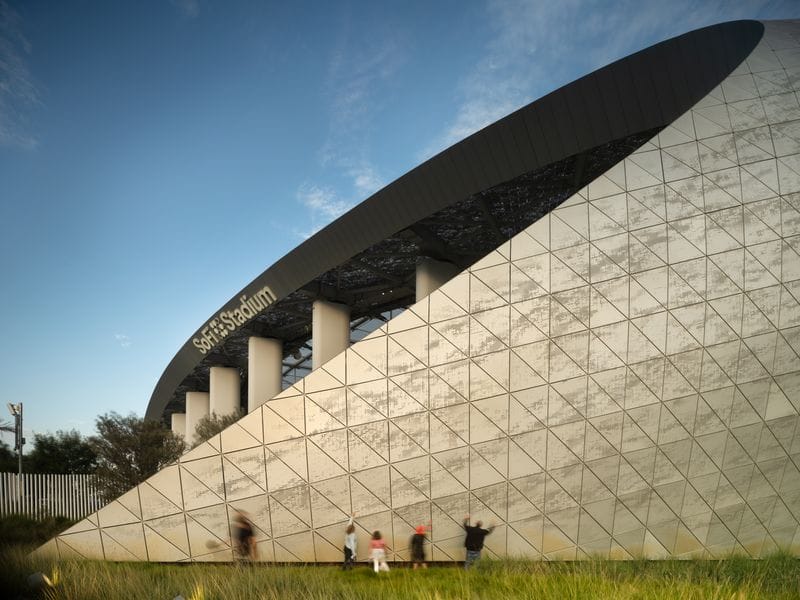
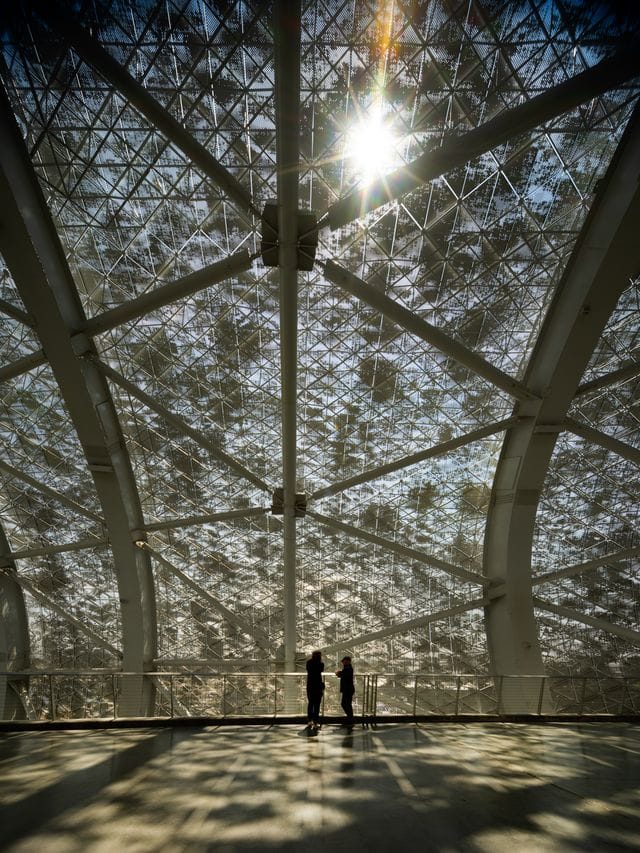
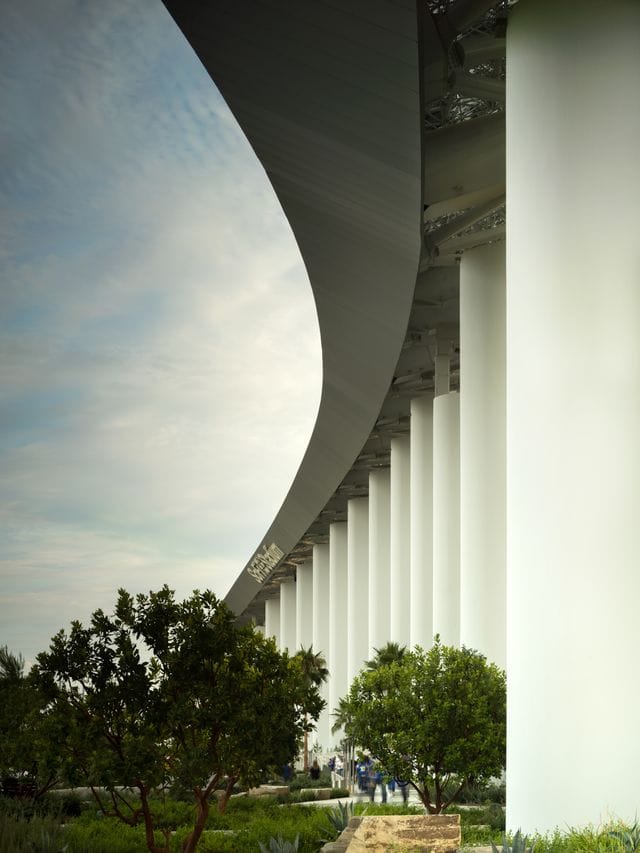
It could well be a preview of the future for Seattle, too.
For all the praise Lumen Field – sorry, Seattle Stadium – has drawn from World Cup visitors of all stripes, admiring its acoustics, sightlines and unparalleled downtown setting, as happy a home as it’s been for the Sounders, Seahawks and Reign FC, chatter about its advancing age has already begun. A few weeks ago, The Seattle Times published an in-depth report noting that it will be 30 years old when the Hawks’ current lease expires in 2032, the age “when NFL teams push to remodel or replace even perfectly serviceable stadiums” in pursuit of more glitz and above all, greater revenue.
Ticket sales and per-ticket revenue for the Hawks, who are up for sale, run slightly below the NFL average, and are “as much as 35% less than newer venues,” it notes. There’s been a dramatically increased focus on luxurious, money-spinning ‘premium spaces’ in the decades since Lumen was built, as well as an obsession with hosting the Super Bowl and other big-ticket events that essentially mandate a full roof. The venue sits on a tight urban footprint of 31 acres, too, one of the smallest in the NFL and – along with other factors like the nearby port facility – an obstacle to the sort of ancillary development that can pad a franchise’s profits.
As much as Sounders and Reign supporters might enjoy the prospect of the Hawks leaving Lumen and allowing it to become a soccer-first facility – particularly as an alternative to SSFC’s mooted concept of a stadium of their own in Renton – it’s not exactly an imminent possibility.
The Times’ Paul Roberts concluded that a move out to the suburbs was “unlikely” in the near term, noting the extensive timeline for any such process, the expected difficulty of finding public funding and the astronomical costs of building out transit infrastructure anything near what the current place has. Still, NFL insider Seth Wickersham has also speculated on the prospect of a new stadium under new ownership, who could be installed as soon as this autumn.
SoFi is a marvel. It feels like a venue teleported from the future. And it might just be a preview of future stadiums, here and across the continent.